Celanese Completes the Formation of Nutrinova, a Food Ingredients Joint Venture with Mitsui 151 views

DALLAS (September 27, 2023) – Celanese Corporation (NYSE: CE), a global chemical and specialty materials company today announced that its previously announced formation of Nutrinova, a Food Ingredients joint venture (JV) with Mitsui & Co., Ltd., is complete. Celanese contributed the assets, technology and employees of its Food Ingredients business while retaining a 30 percent stake in the JV. Mitsui acquired the remaining 70 percent stake at a purchase price of $472.5 million, representing an enterprise valuation of approximately 15 times 2022 EBITDA.

“We are pleased to have monetized a majority of the Food Ingredients business in a value accretive way and also maintained the demand benefits of raw material integration with the Acetyl Chain,” said Lori Ryerkerk, chairman and chief executive officer. “We will immediately deploy transaction proceeds in the third quarter to execute against our deleveraging plan and are on pace to meaningfully exceed the full year objective to reduce net debt by $1 billion in 2023.”


About Celanese
Celanese Corporation is a global chemical leader in the production of differentiated chemistry solutions and specialty materials used in most major industries and consumer applications. Our businesses use the full breadth of Celanese’s global chemistry, technology and commercial expertise to create value for our customers, employees, shareholders and the corporation. As we partner with our customers to solve their most critical business needs, we strive to make a positive impact on our communities and the world through The Celanese Foundation. Based in Dallas, Celanese employs approximately 13,000 employees worldwide and had 2022 net sales of $9.7 billion. For more information about Celanese Corporation and its product offerings, visit www.celanese.com.

Tim Knavish elected PPG Chairman and CEO; Michael McGarry to retire as Executive Chairman 142 views

 PPG (NYSE:PPG) today announced that its Board of Directors has unanimously elected PPG president and chief executive officer (CEO), Tim Knavish, 58, as chair of the company’s Board of Directors and CEO, effective Oct. 1, 2023. Knavish succeeds Michael McGarry, 65, who served as chairman and CEO from 2016 to 2022 and is retiring as executive chairman, also effective Oct. 1, 2023.

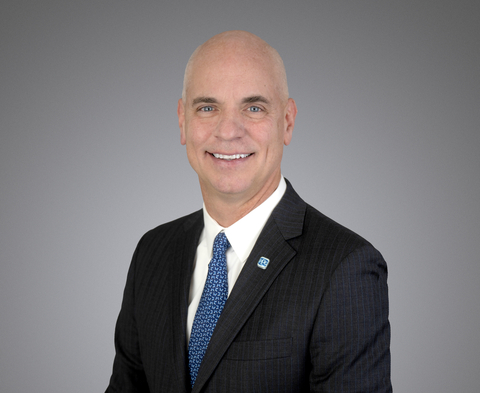
PPG's Board of Directors has unanimously elected PPG president and chief executive officer (CEO), Tim Knavish, as chair of the company’s Board of Directors and CEO, effective Oct. 1, 2023. (Photo: Business Wire)

PPG’s Board of Directors has unanimously elected PPG president and chief executive officer (CEO), Tim Knavish, as chair of the company’s Board of Directors and CEO, effective Oct. 1, 2023. (Photo: Business Wire)

“On behalf of the PPG board of directors, we want to congratulate Tim and recognize the significant contributions Michael has made in leading PPG through some of the most challenging periods in its 140-year history,” said Hugh Grant, PPG independent lead director and retired chairman and chief executive officer, Monsanto Company. “Michael’s leadership has made a significant impact on expanding the company’s portfolio and reach in key growth markets, strengthened PPG’s position, and set the company on a solid path for future growth and success. We wish him the very best. As we look ahead, the board fully supports Tim and the entire PPG team as they work to achieve future growth and increased value for our shareholders.

“After a thoughtful and deliberative process, the board of directors agreed that appointing Tim as chair and CEO enhances the alignment between PPG management and the Board in implementing PPG’s enterprise growth strategy. Tim has an intimate knowledge of the business, can quickly identify and implement strategic priorities, and has demonstrated the ability to serve as an effective bridge between the Board and management,” added Grant.

Knavish joined PPG in 1987 at PPG’s global headquarters in Pittsburgh and he has held roles of increasing responsibility during his 36 years with the Company. Knavish has served in his current role as president and CEO since Jan. 1, 2023 and previously served as chief operating officer beginning in March 2022. Prior to being named chief operating officer, Knavish was executive vice president beginning in October 2019.

PPG: WE PROTECT AND BEAUTIFY THE WORLD®

At PPG (NYSE:PPG), we work every day to develop and deliver the paints, coatings and specialty materials that our customers have trusted for 140 years. Through dedication and creativity, we solve our customers’ biggest challenges, collaborating closely to find the right path forward. With headquarters in Pittsburgh, we operate and innovate in more than 70 countries and reported net sales of $17.7 billion in 2022. We serve customers in construction, consumer products, industrial and transportation markets and aftermarkets. To learn more, visit www.ppg.com.

The PPG Logo and We protect and beautify the world are registered trademarks of PPG Industries Ohio, Inc.

IMCD Korea enhances growth momentum in the coatings and construction market with the acquisition of Needfill 162 views

IMCD N.V. (“IMCD” or “Company”), a global leading distribution partner, formulator of speciality chemicals and ingredients, today announces that IMCD has signed an agreement to acquire 100% of the shares of the speciality distribution company Needfill Co., Ltd. in South Korea (“Needfill”).


Photographed:

  • Chris Lee, CEO of Needfill (left)
  • Henri Kwon, Managing Director of IMCD Korea (right)

Established in 1991, Needfill has long-standing partnerships with some of the leading global suppliers and serves the paint, coatings, inks, textiles, electronics, and polymer markets. Needfill, based in Seoul, generated a revenue of approximately KRW 26.2 billion (ca. EUR 18 million) in 2022 and has 18 employees.

“As we look ahead, the coatings market in South Korea has an exciting growth potential. Having Needfill join us provides a strong addition to our coatings and construction business, enhancing our range of services and portfolio,” said Henri Kwon, Managing Director of IMCD Korea. “We are confident that Needfill’s dedicated team will support our business expansion, reinforcing our presence in the Korean market,” concluded Kwon.

“Needfill has continuously grown, earning recognition as a respected company for over 30 years. With IMCD’s global network, expertise, and a strong commitment to sustainability, I’m confident that together we will significantly enhance our growth potential”, commented Chris Lee, CEO of Needfill. “My team has been a vital asset to the company, and I believe they will have even more opportunities to develop and maximise their potential with IMCD.”

The closing of the transaction is subject to customary closing conditions and is expected to take place in the fourth quarter of 2023.

Arclin Acquires Belle Chemical Company Belle, West Virginia facility is a leading producer of methylamines and derivatives 171 views

ATLANTA, Sept. 27, 2023 (GLOBE NEWSWIRE) — Arclin, a chemistry-based manufacturer of polymer technologies and engineered products for numerous industrial applications including building products, agriculture, transportation infrastructure, weather & fire protection and other industries, announced today that it has completed the purchase of Belle Chemical Company, a leading producer of methylamines and derivatives located in Belle, WV. The plant has approximately 60 employees.

Acquisition of Belle Chemical expands Arclin’s capabilities in North America and is viewed as a key step in the company’s strategy toward expanding its product presence into markets that are adjacent to its core chemistries and business. “The addition of the Belle Chemical business, which is operated by a great team in West Virginia, is an exciting opportunity for Arclin,” said Bradley Bolduc, President & CEO of Arclin. Bolduc continued that “Arclin has a strategy to diversify our product offerings into markets that are related to our core chemical competencies. The addition of the Belle Chemical business will provide further diversification into water treatment, health care, pharmaceuticals, agriculture, oil & gas, and electronics, all areas we are excited about in the future.”

“The sale of the Belle Chemical Company to Arclin was a logical next step for the business as Belle Chemical Company transitions to a growth company,” said Belle Chemical Company Plant Manager Alicha Hunt. “Belle’s customers will benefit from Arclin’s breadth of expertise in chemical manufacture and distribution and interest in rapid deployment of resources in support of the growth strategy,” she said.

Transition efforts are well underway and Arclin anticipates a smooth transition for existing Belle Chemical Company customers. The company began operating as Arclin Amines in September.

About Arclin:
Arclin is a leading provider of chemistry-based polymer technologies and engineered products for numerous industrial applications including building products, agriculture, transportation infrastructure, chemical intermediates, and other industries. Headquartered in Alpharetta, Georgia. Arclin has offices and manufacturing facilities throughout the U.S. and Canada and manufactures for customers worldwide. More information at www.arclin.com.

KMG International Group will have new chief executive officer 375 views

National Company KazMunayGas (KMG), the sole shareholder of KMG International N.V. (KMGI), made a decision on appointment of Bakhyt Kulmakhanov as Executive Director of KMG International Group. The appointment will take effect upon completion of the formal procedures.

To date, this position has been held by Beimbet Shayakhmetov, whom KMG and KMGI thank for his contribution and support from 2019 to the present.

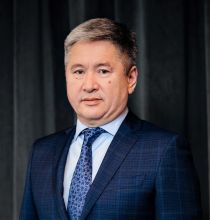
RP-CEO-IMG_2247-Edit_1

Mr. Bakhyt Kulmakhanov was born in 1967 and graduated from Kazakh Polytechnic Institute, qualification “Mechanical Engineering” in 1991. Mr Kulmakhanov has an extensive experience working for various state bodies of Kazakhstan as well as in private companies.

“We are confident that the experience and knowledge of Mr Kulmakhanov will help to address the challenges KMGI has been facing due to the market conditions and are sure that the new CEO will continue implementing the development strategy of KMGI in the region”, said Daniyar Berlibayev, Chairman of the Board of Directors of KMGI.

Fully owned by the national oil and gas company – KazMunayGas from Kazakhstan, KMG International is a company headquartered in Amsterdam (Netherlands), which owns and operates significant operations in Eastern Europe and Central Asia.

With approximately 6,000 employees, the main activities of the Group consist of major commercial operations with oil and petroleum products (trading), refining and petrochemicals, distribution (retail) and marketing, as well as other services in the field of oil, well drilling and industrial services integrated EPCM (engineering, procurement, construction and project management).

The Group operates in Romania two refineries – Petromidia Năvodari (the largest and most complex internal processing unit) and Vega Ploieşti (the only producer of bitumen and hexane in Romania), but also the only petrochemical division. In addition, there is an extensive fuel distribution network in the Black Sea region, both through the Group’s subsidiaries (Romania, Moldova, Bulgaria and Georgia) and through various partners in the Central and Eastern European region (Turkey, Serbia or Greece).

Safic-Alcan further strengthens its presence in Southern Africa and acquires Southern Chemicals (Pty) Ltd. 321 views

Paris-La Défense, September 12, 2023

Safic-Alcan, a major distributor of specialty chemicals, announces that it has acquired 100% of Southern Chemicals, a leading South African specialty chemical distributor in the region.

Established in 1996 by Rod Proome, Southern Chemicals supplies industrial speciality chemicals and additives into industries such as polyurethane foams, industrial coatings, adhesives and elastomers.

With warehousing capabilities in Durban, Port Elizabeth, Johannesburg and Cape town, Southern Chemicals is very well positioned to sell and distribute specialty chemicals and additives across the region.

We are thrilled to welcome Rod Proome, Mike Formo and the entire team to the Safic-Alcan Group. We started our activities in South Africa in 2020, and the addition of Southern chemicals will create a very strong platform for continued further growth.

“While Southern Chemicals will retain its own identity, the new partnership with Safic-Alcan’s established world network and technical expertise fits very well with Southern Chemical’s industry footprint. Not only will this new shareholding enhance product offering and technology support to our customers, but it will provide a strategic long-term commitment to our loyal supplier partners and growth opportunities for our employees”, added Rod Proome.

About Safic-Alcan

Safic-Alcan is a French independent distributor of specialty chemicals headquartered in Paris La Défense (France). The Company develops and provides wide ranges of polymers, materials and additives for the rubber, coatings, adhesives, thermoplastics, polyurethane, lubricants, detergency, cosmetics, pharmaceuticals, and nutraceuticals industries. With a network of 35 offices strategically located in Europe, Turkey, Middle East, North America, Mexico, South America, China and South Africa, and 780 people worldwide, Safic-Alcan generated a turnover of 907 M€ in 2022. Learn More

About Southern Chemicals

Southern Chemicals (Pty) Ltd. was established in 1996 with the objective of selling and distributing specific speciality industrial chemicals and additives throughout the Southern African and Indian Ocean region. While serving as sales agent and distributor in the region for a number of overseas manufacturers, Southern Chemicals (Pty) Ltd is an independent company and has retained its focus on specialty materials, and to a limited degree a number of complementary commodity industrial chemicals. Materials are sourced globally and inventories are maintained in Durban, Johannesburg, Port Elizabeth and Cape-Town, as appropriate to customer needs. Major markets include PU Foams, adhesives and coatings, industrial coatings, adhesives and elastomers.

Barentz signs the acquisition of Unijaya in Indonesia 209 views

Hoofddorp, The Netherlands, September 25, 2023. 

Barentz International, a leading global life science and specialty performance ingredients distributor, has entered into a binding agreement to acquire the pharmaceutical and human nutrition business of Unijaya, a fully licensed pharmaceutical distributor of specialty active pharmaceutical ingredients and functional food ingredients, located in Jakarta, Indonesia.

The intended acquisition of Unijaya complements Barentz’s existing operations with a regulated pharmaceuticals business and is expected to provide synergetic growth opportunities in Indonesia and across Asia Pacific territories. The acquisition is an important step towards offering a complete suite of life science ingredient solutions in one of the largest economies in South-East Asia and will significantly strengthen Barentz’s value-add product offering of APIs as well as food ingredient solutions. The transaction is subject to the completion of legal and specified contractual closing conditions.

Highlights:

  • The intended acquisition strengthens Barentz’s footprint in the high-growth and resilient pharmaceutical distribution markets and increases the company’s geographic exposure in one of the largest pharmaceutical markets in South-East Asia.
  • Unijaya offers a highly strategic opportunity to complement Barentz’s operations with fully licensed pharmaceutical distributors in Indonesia.
  • The acquisition will significantly strengthen Barentz’s value-add product offering of APIs as well as functional food ingredient solutions.

Hidde van der Wal, CEO of Barentz, commented: “Unijaya’s highly experienced team with extensive knowledge of the pharmaceutical and human nutrition industries, combined with an impressive product portfolio, will bolster our existing offering in the Indonesian market. We are excited about the new opportunities this presents in Asia Pacific, which aligns with Barentz’s ongoing aspiration for growth in the region. I warmly welcome the Unijaya team to Barentz.”

Agus Widjaja, Founder of Unijaya agreed, adding: “I am proud that Unijaya is playing an important role in strengthening Barentz’s existing operations, as they embrace a new portfolio of specialty active pharma and functional food ingredients in Indonesia, one of the fastest growing and largest economies in South-East Asia. I wish Barentz and the team the very best.”

Agus Widjaja, the founder of Unijaya, will continue to lead the company once the acquisition is completed.

ABOUT UNIJAYA
Founded in 1999, Unijaya is primarily engaged in the distribution of specialty pharma ingredients and functional food ingredients in Indonesia. Unijaya’s registered head office and warehouse are located in Jakarta and employs 40 people. For more information, please visit: https://www.unijaya.co.id.

ABOUT BARENTZ
Barentz is a leading global life science and specialty performance ingredients distributor. The company sources branded specialty ingredients from leading manufacturers worldwide and its ingredient experts provide value-added technical support which includes pre-mixing, blending, ingredient formulation and ingredient testing from its state-of-the-art, customized formulation centers and application laboratories in EMEA, Americas and Asia-Pacific.

Established in 1953, Barentz has operations in more than 70 countries with a strong presence in Europe and North America, and a rapidly growing network in Latin America and Asia-Pacific. With a turnover of circa €2.5 billion, the company employs around 2,600 people worldwide and serves over 25,000 customers. For more information, visit: www.barentz.com.

For more information, please contact:
pressoffice@barentz.com 

Bayer expands its fruits and vegetables business to strawberries 135 views

Bayer expands its fruits and vegetables business to strawberries

Agreement with UK-based NIAB to acquire their strawberry pipeline and commercial portfolio / Focus on large-scale professional strawberry growers to meet growing consumer and retail demand / The program will continue to be based in Kent, UK


Monheim, September 21, 2023 – Bayer today announced the expansion of its leading Fruits and Vegetables business to strawberries. With the acquisition of the strawberry assets of UK-based NIAB, Bayer will expand its focus on professional protected culture growers to meet the growing consumer and retail demand for year-round, high-quality strawberries and will also have varieties available for open field conditions. This agreement allows the company’s Crop Science Division to provide a broader range of solutions for growers in the expanding protected strawberry market. The strawberry varieties are complemented by Bayer’s biological and chemical crop protection products.

“Strawberries are the fastest growing fruit crop, with year-round demand exceeding supply. In fact, strawberries are the category leaders in the produce aisle, accounting for more than 23 percent of fresh fruit sales,” said Inci Dannenberg, Head of Bayer’s Vegetables business. “With Bayer entering the strawberry market, we will offer growers premium genetics combined with innovative crop protection products and digital solutions. The addition of strawberries to Bayer’s portfolio is a natural progression that many of our customers are making as well.”

NIAB’s Strawberry Breeding Programme has been operating for more than 40 years from its roots at East Malling Research Station which is located in Kent County, UK, and which has long been associated with excellence in horticulture innovation.

“NIAB at East Malling has built a strong foundation in strawberries, supported by more than a century of world-class horticulture research at our Kent site, and we’re proud that it will continue with Bayer,” said Mario Caccamo, CEO of NIAB. “As well as bringing accelerated innovation to UK growers, Bayer will also make these great tasting strawberries available to more growers and consumers around the world.”

By moving to protected cropping, strawberry growers have more control over their environment, crop management, pests and disease, and in turn will see clear benefits in fruit quality, harvest security and consistency. Additionally, plants grown under protection use less water than open field crops and have the potential for increased retail shelf life as they can be grown closer to the consumer.

With its advanced breeding technologies, Bayer will continue to deliver the advancements consumers, retailers and growers need. “We have built a strong foundation in precision breeding capabilities and look forward to bringing these approaches into strawberries,” said JD Rossouw, Head of Vegetables Research & Development at Bayer’s Crop Science Division. “Using these techniques will enable us to continue to advance on the foundation set by NIAB and deliver superior strawberries to our growers and the value chain.”

With more than 20 different crops and thousands of vegetable seed selections, Bayer’s Vegetable Seeds business supports a diverse range of growers with seed varieties tailored to the tastes and preferences of consumers around the globe. Key crops are Tomato, Cucumber, Beans, Broccoli, Carrots, Cauliflower, Eggplant, Lettuce, Melon, Onion, Pepper, Spinach, Sweet corn and Watermelon. Sales of the business unit reached 717 million euros in 2022.

The acquisition is expected to close by January 1, 2024.

About Bayer
Bayer is a global enterprise with core competencies in the life science fields of health care and nutrition. Its products and services are designed to help people and the planet thrive by supporting efforts to master the major challenges presented by a growing and aging global population. Bayer is committed to driving sustainable development and generating a positive impact with its businesses. At the same time, the Group aims to increase its earning power and create value through innovation and growth. The Bayer brand stands for trust, reliability and quality throughout the world. In fiscal 2022, the Group employed around 101,000 people and had sales of 50.7 billion euros. R&D expenses before special items amounted to 6.2 billion euros. For more information, go to www.bayer.com.

Follow us on twitter.com/bayer

Forward-Looking Statements
This release may contain forward-looking statements based on current assumptions and forecasts made by Bayer management. Various known and unknown risks, uncertainties and other factors could lead to material differences between the actual future results, financial situation, development or performance of the company and the estimates given here. These factors include those discussed in Bayer’s public reports which are available on the Bayer website at www.bayer.com. The company assumes no liability whatsoever to update these forward-looking statements or to conform them to future events or developments.

Embarking on the Generative AI Journey – View from a Chemical Industry Participant 169 views

With so many headlines spinning these days around the pros, cons and ethics of Generative AI, it was valuable to spend a little time to learn more. There are numerous courses available via online LinkedIn learning, highly recommended.

As a recent novice, it was relatively easy to grasp the basics, become an amateur prompt engineer and start putting these models to use. I can only imagine the potential in more experienced hands.

Created with Generative AI using Bing Image Creator

Whether we like it or not, agree or disagree with its advancement, Generative AI looks set to have a profound impact on so much around us. This not least in the workplace, in industry and through the various commercial channels which many of us are so very familiar with. Productivity is so often referred to.

It’s particularly worthwhile to get comfortable with the basics, inform your own views and consider the implications – good, bad or otherwise. Timely to put suitable governance oversight, policies, training and guidance in place for folks in key sectors and companies before rapid adoption takes hold.

Many articles have been published on the topic of AI. These perhaps felt trend like and futuristic only a few years ago, but they are all so real today. So I thought it would be entertaining to ask Chat GPT itself for an opinion about the use and proliferation of Generative AI. The responses were insightful, with a longer list of arguments against its own use than in support. A curious set of outcomes perhaps which you can check out below for a light-hearted introduction to this topic.

Created with Generative AI using Bing Image Creator

📈 For General Application

When I asked Chat GPT for a short evaluation of the pros and cons of generative AI, it concludes that its use should be approached with careful consideration of the following arguments, taking into account ethical, legal, and societal implications. It says balancing the benefits with the potential drawbacks is essential to responsible and effective deployment of this technology.

Arguments FOR the use of Generative AI


  • Efficiency | Helps automate the creation of content, such as text, images & videos, saving time & resources.
  • Creativity | Can generate novel & creative content, aiding artistic & innovative endeavors.
  • Personalisation | Can be used to personalize user experiences, like recommending products or content tailored to individual preferences.
  • Cost Savings | Businesses can cut costs by automating tasks that would otherwise require human labour.
  • Data Augmentation | Generative models can create synthetic data, which can be valuable for training other AI systems when real data is scarce.
  • Innovation | Can foster innovation by enabling the rapid development of new products, services & applications.
  • Consistency | AI-generated content can maintain a consistent style or tone, which can be challenging for human creators to achieve over time.
  • Accessibility | AI-generated content can make information more accessible through translations, summaries & other forms of content generation.
  • Scalability | Businesses can easily scale content production to meet growing demands with the help of generative AI.


Arguments AGAINST the use of Generative AI


  • Bias & Ethics | Generative AI can perpetuate & even amplify biases present in the training data, leading to unfair or harmful outputs.
  • Loss of Jobs | Automation through generative AI can lead to job displacement, particularly in industries reliant on content creation.
  • Quality Control | AI-generated content may lack the quality & accuracy of human-produced content, potentially damaging a brand’s reputation.
  • Security Risks | Generative AI can be used maliciously to create deepfake videos or generate convincing fake news.
  • Legal & Copyright Issues | Determining ownership & copyright of AI-generated content can be complex & contentious.
  • Dependency | Overreliance on AI for creative or critical tasks may erode human skills & decision-making capabilities.
  • Environmental Impact | Training large generative models requires significant computational power & can contribute to increased energy consumption & carbon emissions.
  • Transparency | AI-generated content often lacks transparency, making it difficult to understand how a particular output was generated, which can be a concern for critical applications.
  • Creative Stagnation | Over-reliance on AI creativity may stifle human creativity & discourage original thinking.
  • Privacy Concerns | The use of generative AI in applications like deepfakes can compromise individual privacy & lead to personal data misuse.
  • Unintended Consequences | Generative AI can produce unexpected & unintended results, which can be challenging to predict or prevent.
  • Regulatory Challenges | The rapid development of generative AI has outpaced regulatory frameworks, leading to uncertainties around its use & oversight.
  • Erosion of Authenticity | As AI generates more content, there is a risk of eroding the authenticity & genuineness of human experiences & interactions.
  • Resource Intensive | Training & deploying advanced generative models can require substantial computational resources, limiting access to smaller organizations & individuals.


Generative AI offers a range of benefits, from efficiency and creativity to personalization and cost savings. However, it also raises significant ethical, social, and practical concerns, including bias, job displacement, and privacy issues. Striking a balance between harnessing the potential of generative AI and addressing its challenges is essential to its responsible and beneficial use in various domains.


⚛️ Domain – Chemicals Industry

Created with Generative AI using Bing Image Creator

When I probed Chat GPT further on the potential application of generative AI across the chemicals industry as a specific domain, it raised some additional points of note.

Arguments FOR the use of Generative AI:


  • Drug Discovery | Generative AI can accelerate drug discovery by predicting molecular structures and properties, potentially reducing the time and cost of developing new pharmaceuticals.
  • Material Design | AI can help design new materials with specific properties, such as lightweight and durable composites or advanced coatings for various industrial applications.
  • Process Optimisation | Generative AI can optimize chemical manufacturing processes, leading to increased efficiency, reduced waste, and lower energy consumption.
  • Environmental Impact | AI can be used to develop more environmentally friendly chemicals and processes, helping the industry reduce its ecological footprint.
  • Safety Enhancement | AI can predict and prevent accidents by analyzing data and identifying potential hazards in chemical production and handling.
  • Customisation | AI can help design chemicals and formulations tailored to specific customer or industry needs, allowing for greater customization.
  • Speed & Cost Efficiency | Generative AI can significantly reduce the time and cost required for research and development in the chemicals industry.
  • Competitive Advantage | Companies that adopt generative AI early can gain a competitive advantage by developing innovative products and solutions faster than their competitors.
  • Predictive Maintenance | AI can predict when equipment and infrastructure in chemical manufacturing facilities need maintenance or repair, minimizing downtime and production interruptions.


Arguments AGAINST the use of Generative AI:


  • Safety Concerns | The application of AI in chemical processes raises safety concerns, as errors or vulnerabilities in AI systems could lead to accidents or disasters.
  • Complexity & Expertise | Developing and implementing generative AI systems in the chemicals industry requires significant expertise, which can be a barrier for many companies.
  • Ethical Considerations | The use of AI in designing chemicals, especially pharmaceuticals, raises ethical concerns about transparency, accountability, and the potential for unintended consequences.
  • Quality Control | AI-generated chemical designs may not always meet the required quality and safety standards, leading to regulatory and product quality issues.
  • Job Displacement | With AI automating tasks in the chemicals industry, there may be concerns about job displacement for workers in traditional roles.
  • Data Privacy | The use of AI in chemical research relies on extensive data, which can lead to privacy and security risks if not handled properly.
  • Regulatory Challenges | AI-generated chemicals may pose regulatory challenges, as existing regulations may not be well-equipped to address novel AI-designed substances.
  • Environmental Impact | While AI can help develop environmentally friendly solutions, it can also consume significant computational resources, contributing to its own environmental impact.
  • Lack of Data | In some areas of the chemicals industry, there may be a lack of high-quality data to train generative AI models effectively.
  • Reliability & Accountability | If an AI-generated chemical or material fails, it can be challenging to determine accountability, potentially leading to legal and liability issues.
  • Resistance to Change | The chemicals industry has historically been slow to adopt new technologies, and there may be resistance to implementing generative AI solutions.
  • Loss of Human Expertise | An overreliance on AI could lead to a decline in the development of human expertise in chemical research and development.
  • Security Risks | The use of AI in chemical processes may expose vulnerabilities to cyberattacks and industrial espionage.
  • Sustainability | While AI can contribute to sustainability efforts, there is a risk that it may be used to develop chemicals and processes that prioritize profit over environmental concerns.


⚛️ Domain – Specialty Chemicals Industry

Created with Generative AI using Bing Image Creator

When I took the enquiry of Chat GPT one level further to the potential application of generative AI across the specialty chemicals industry as a more specific domain, it tailored its response to these further points below.

Arguments for the Use of Generative AI:


  • Efficient Molecular Design | Generative AI can help chemists design new molecules more efficiently. It can generate a vast number of molecular structures and predict their properties, potentially leading to the discovery of novel specialty chemicals with desirable characteristics.
  • Accelerated R&D | AI-driven algorithms can significantly speed up the research and development process. This can reduce the time and resources required to bring new specialty chemicals to market, improving competitiveness.
  • Cost Reduction | By automating certain aspects of chemical research, generative AI can reduce labor costs and the need for expensive laboratory equipment. This can make R&D more cost-effective for specialty chemical companies.
  • Customisation | Generative AI can be used to tailor specialty chemicals to specific customer needs. This level of customization can lead to higher customer satisfaction and increased market share.
  • Predictive Analytics | Generative AI can analyze vast amounts of chemical data, allowing for better predictive analytics. This can help specialty chemical companies anticipate market trends, customer preferences, and potential issues, leading to more informed decisions.
  • Reduced Environmental Impact | AI can optimize chemical processes, minimizing waste and energy consumption. This can align with sustainability goals and reduce the environmental footprint of the specialty chemicals industry.
  • Drug Discovery & Healthcare | In cases where specialty chemicals intersect with pharmaceuticals, generative AI can accelerate drug discovery by suggesting potential compounds for various medical applications, potentially leading to breakthrough medications.


Arguments Against the Use of Generative AI:


  • Safety Concerns | AI-generated molecules may have unforeseen safety or environmental risks. Without thorough human oversight and testing, there’s a risk of releasing harmful chemicals into the environment.
  • Lack of Creativity | While AI can generate numerous possibilities, it may lack the creativity and innovation that human chemists bring to the table. Some breakthroughs in specialty chemicals may rely on intuition and serendipity.
  • Ethical Concerns | The use of AI in chemical research can raise ethical questions, particularly regarding intellectual property. Determining ownership and patent rights for AI-generated chemical designs can be complex and contentious.
  • Data Dependency | Generative AI relies on large datasets to make accurate predictions and designs. If a company lacks sufficient data or has poor-quality data, the effectiveness of AI may be limited.
  • Regulatory Challenges | The specialty chemicals industry is subject to strict regulations. Implementing AI in R&D may require significant regulatory approvals and compliance efforts.
  • Quality Control and Validation | Ensuring the quality and safety of AI-generated specialty chemicals can be challenging. Rigorous validation and testing processes are necessary to guarantee that these chemicals meet regulatory standards and perform as expected.
  • Human Expertise | AI may not fully replace the expertise of human chemists. Human judgment, intuition, and the ability to adapt to unexpected challenges are crucial in specialty chemical development, and over-reliance on AI may diminish these skills.
  • Data Privacy | Handling sensitive chemical data with AI can pose data privacy risks. Protecting proprietary information and customer data becomes increasingly critical as AI systems process and generate large datasets.
  • Long-Term Viability | The specialty chemicals industry may face challenges in maintaining AI systems over the long term. Evolving technology, changing regulations, and shifts in market demand can make it difficult to adapt AI solutions over extended periods.
  • Initial Implementation Costs | Implementing AI in R&D and production processes can require a significant upfront investment in infrastructure, software, and talent. Smaller specialty chemical companies may find this cost-prohibitive.


In summary, the use of generative AI across the specialty chemicals industry offers the potential for faster innovation and cost savings but also presents challenges related to safety, creativity, ethics, data, and regulation. Companies should carefully consider these factors when deciding whether and how to implement AI in their operations. A balanced approach that combines AI capabilities with human expertise and experience may offer the best outcomes in this domain.


Closing Comment 🤔

I have been both staggered, inspired and somewhat frightened in equal measure by the sheer power and capabilities of these AI models. They have certainly come of age, the power of these models looks set to advance dramatically over the next 18-24 months if you listen to experts in the field. Where will this take us?

Image not created with Generative AI ! | On the road in Scotland | copyright Colin Morton

Adhesives & Bonding Expo Europe 176 views

EUROPE’S MEETING PLACE FOR INDUSTRIAL BONDING PROFESSIONALS


Stop by the impressive, free-to-attend, Adhesives & Bonding Expo Europe this winter (5-7 December 2023) to get your yearly fix on all things industrial bonding in the manufacturing hub of Stuttgart, Germany. As the continent’s biggest adhesives and bonding event, it brings together suppliers, manufacturers, and decision-makers from across the industry to meet and make new connections, all under one roof. You can secure your free pass here.


Co-located with Foam Expo Europe, this provides synergy because there are thousands of unique technical foam applications that require very specific adhesives, tape, or sealants. Therefore, this supply chain-led show can help to establish the best fit in a short amount of time and connect you to experts in niche fields. Adhesives & Bonding Expo Europe is also co-located with Thermal Management Expo Europe (new for 2023) because industries like automotive, aerospace, electronics (and many more) require some of their materials in foam, adhesives, and tapes to be thermally conductive or provide cooling solutions.


This year’s Exhibition will feature 200+ companies, showcasing solutions in assembling (or joining) similar or dissimilar materials to build complex structures or devices. It’s a unique opportunity for attendees to discuss the latest materials, components, and technologies available in the marketplace. Attendees can also take part in the free-to-attend Conferences, which address key trends and challenges facing the technical foam, adhesives, and thermal sectors in Europe and worldwide.


For attendees, the combined events provide an ideal opportunity to source new suppliers and materials, find ways to reduce waste, boost production efficiency, and explore innovative technical solutions to end-user requirements. But for most visitors, the chance to network, make new contacts, and meet people face-to-face is the key reason to attend. In fact, 95% of visitors were able to gain valuable connections from the show. Informal drinks receptions in the exhibition hall on the first two evenings will provide further valuable networking opportunities. 


Jerome Alexandre, Director of Global Business Development at Bostik said “Face-to-face expos are important because we are humans! There are some topics that are hard to speak about over Teams or Zoom as it does not achieve the same feeling or interaction with your customer. It is also difficult to show a sample and explain what it looks like.”


Quin Dams, Segment Marketing Manager Building & Construction at Avery Dennison Performance Tapes said “It’s a formal get-together of not only bonding solutions, adhesive suppliers, foam producers, but from the application side, technical and purchasing people. A fantastic show.”


Registration for Adhesives & Bonding Expo Europe, which is FREE to attend, is open. Please follow this link to secure your free pass, it only takes 2 minutes and provides access to all three shows.


About Adhesives & Bonding Expo Europe

Adhesives & Bonding Expo Europe is the continent’s largest event for manufacturers and buyers of industrial bonding products and technologies. At the show, you can expect to find solutions in assembling (or joining) similar or dissimilar materials to build complex structures or devices. What’s special about Adhesives & Bonding Expo Europe is that we are recognised as a main event in people’s diaries to meet raw material suppliers, chemical producers, manufacturers, converters, machinery suppliers, and end users.


About the Organiser

Organisers Smarter Shows (Tarsus) Ltd specialise in producing highly focused B2B supply chain exhibitions and technical conferences for the manufacturing and engineering sectors, with a focus on aerospace, automotive, and materials industries.

Canadian chemistry industry seeks government action to support chemical investment 431 views

The Chemistry Industry Association of Canada, which lists about 60 members just in its Plastics Division and includes the top petrochemical producers in the country, has requested the government of Canada to enact legislation, specifically in relation to Investment Tax Credits, to support turning planned petrochemical investment into reality.

A recently completed PDH propylene-polypropylene complex in Alberta. Image courtesy of InterPipeline

“As proposed, Canada’s Investment Tax Credits (ITCs) are broadly commensurate in value with similar measures in the U.S. Inflation Reduction Act (IRA),” said by email in mid-September, Bob Masterson, president and CEO, Chemistry Industry Association of Canada.

“We are concerned, however, that proposed limitations and conditions on coverage and eligibility will significantly discount the true value of the ITCs in comparison to similar measures under the IRA. It’s essential the Government of Canada address these issues and enact the ITCs into law as soon as possible,”  Masterson said.

“Failure to do so will contribute to delays or outright cancellations of the more than $20 billion of petrochemical investments currently proposed for Western Canada,” Masterson added.

Needed investment in Canadian chemical industry

Canada currently has $200-300 billion in chemistry production infrastructure, most of which is several decades old, and much investment is needed, according to the Chemistry Industry 2024 Federal Pre-Budget Submission Brief recently published by the chemical industry .

“As we look to the future, this asset base will need to be re-capitalized with decarbonization in mind and greenfield investment will be required to meet growing global demand for chemistry and plastic products. These transformations will require billions of dollars of investment,” it said.

“Over the past two years, 15 major projects to reduce emissions in the chemistry sector worth over $30 billion have been announced. These projects will lower emissions while increasing output. These announcements are welcome but are only a fraction of what is required and as of today they are only announcements, none have moved,” the Pre-Budget Submission Brief added.

“We must create a competitive regulatory and policy landscape that welcomes private capital. Key features of a competitive landscape include: Long-lived, transparent, and broad-based investment attraction programs, based on Canada’s a-political tax code (…),” added the chemistry industry 2024 Federal Pre Budget Submission Brief submitted to the Standing Committee on Finance in Aug 2023.

The Canadian House of Commons Standing Committe on Finance, according to Parliament of Canada´s website, has a mandate that includes “to consider and report on proposals regarding the budgetary policy of the government.” The Committee normally presents its pre-budget report in December.

Canadian chemical industry leads worldwide in safety initiatives

The Pre-Budget Submission is published by CIAC, founders of Responsible Care. Responsible Care is described as “the global chemical industry’s voluntary initiative to drive continuous improvement in safe chemicals management and achieve excellence in environmental, health, safety and security performance” by the International Council of Chemical Associations (ICCA).

“The Responsible Care initiative began in Canada in 1984, and today, national chemicals associations in nearly 70 economies around the world manage Responsible Care implementation in their individual countries,” according to the ICCA.

A Long-term investment view

“Facilities take five and often more years to construct. Investment decisions are made on the basis of expected long-term structural demand growth over the forty-plus year lifetime of the proposed assets, not on current market conditions,” Masterson said.

“The global petrochemical industry will continue to expand. We want to get the investment conditions right so that the next wave of petrochemical expansion, and this first wave of low-carbon petrochemical investments come to Canada,” he added.

Current CCUS consultation to serve as model for hydrogen

The current consultation is specific to the CCUS (carbon capture, utilization and storage) ITC (investment tax credits). However, it is expected as a model for the other tax credits, such as hydrogen, according to an industry source.

“The government only has two opportunities for these to enter into force, legislate through the upcoming (late Fall) Fall Economic Statement, or in the annual Budget Implementation Act (due mid-Next Spring),” it added.

“So, if we don’t get this done now, its six more months of uncertainty,” the industry source added.

Some proposed projects

Currently proposed projects include the Dow Pathway to Zero expansion project in Fort Saskatchewan, Alberta, as well as the Shell Polaris carbon capture project at its Scotford, Alberta site.

According to the Shell Canada website, the company is contemplating construction of a large-scale carbon capture and storage (CCS) project at its Scotford chemical and refining complex near Edmonton, Alberta. A Final Investment Decision (FID) had been scheduled for 2023, according to the website.

Another project with an FID in 2023 is Dow Canada´s planned expansion of a polymers complex that would significantly increase the company´s plastic resin production capacity not just regionally but globally while helping reduce the carbon footprint. Dow officials said earlier in 2023 that they are working on partnerships and considering incentives with an FID expected before year’s end.

Alberta is home to Canada’s largest petrochemical manufacturing industry.

Petrochemicals make up a C$16 billion industry in Alberta that directly or indirectly employs over 30,000 people, according to the province’s Ministry of Natural Gas and Electricity. The region recently saw the completion of construction and start-up of a PDH (propane dehydogenator) propylene and polypropylene complex near Edmonton, Alberta and owned by InterPipeline.

By Renzo Pipoli

AFPM opposes EPA´s proposed rules related to pyrolysis oil; Surface Transportation Board proposes reforms for rail shipping; Methanol market seen increasing just over 4% annually until 2028 138 views

AFPM opposes EPA´s proposed rules related to pyrolysis oil

The American Fuel & Petrochemical Manufacturers (AFPM) filed comments opposing the U.S. Environmental Protection Agency (EPA)´s “proposed rules to identify and regulate new uses for components of pyrolysis oil,” according to a press release issued on Sep. 8, 2023.

According to the EPA website, the agency has in 2023 issued “proposed rules under the Toxic Substances Control Act (TSCA) for 18 chemicals made from plastic waste-derived feedstocks that would ensure they are free from unsafe contaminants before they can be used to make transportation fuels,” as published on June 15, 2023.

“These proposals will drag our country behind as the rest of the world works toward plastic circularity,” the Sept. 8, AFPM statement said. 

“Pyrolysis oil allows petrochemical manufacturers and recyclers to reduce the need for virgin petroleum-based feedstocks. Our industries cannot reap the benefits of advanced recycling without being able to take advantage of the substance’s broad uses, especially as a feedstock to make building blocks for new plastics,” the AFPM said.  

“The proposals fail to meet several requirements set by the Toxic Substances Control Act (TSCA),” the AFPM added.

Some of the biggest petrochemical companies have done work to advance technology related to feeding pyrolysis oil from waste plastic to crackers.

Surface Transportation Board (STB) proposes “reciprocal switching” reforms for rail

The Surface Transportation Board (STB), a U.S. federal agency that oversees some modes of transportation including rail, a very important component of the supply chain for petrochemicals,  on Sept. 7 issued a proposal for reforms to rail reciprocal switching rules. It was well received by petrochemical companies as some progress, but still with limitations, while railroad companies are reviewing the proposal.

“In today’s decision, the STB proposes to allow a shipper to obtain reciprocal switching when its current railroad fails to meet specified service performance standards,” the American Chemistry Council (ACC) said in a release that followed the STB announcement.

The ACC is an organization that includes the biggest petrochemical companies operating in the country. They are also some of the biggest customers of rail companies.

“Competitive pricing and reliable service are no longer the norm as the country continues to pay a heavy price for the railroad industry’s growing monopoly power. Service failures have contributed to higher prices and supply chain disruptions (…),” the ACC said.

More than three-quarters of companies said access to reciprocal switching (77%) would help mitigate freight rail problems, according to a supply chain survey conducted earlier this year, the ACC said.

75% of U.S. refineries, petrochemical plants captive of rail shipper: AFPM

For most U.S. refineries and petrochemical plants there is only one rail shipping provider option so any move toward increasing competitiveness, such as “reciprocal switching,” would help, said Rob Benedict, vicepresident of petrochemicals and midstream at the AFPM (Association of Fuel and Petrochemical Manufacturers).

Benedict made the comment following the proposal from the U.S. Surface Transportation Board for “reciprocal switching” within the U.S. freight rail system. Railcars are key for the transportation of petrochemicals, from fuels to chemical intermediates, and from fertilizer to plastic resin pellets.

According to the AFPM´s vice president Benedict, the proposal is “a good start with potential to make the rail system more efficient and responsive.”

However, it would limit reciprocal switching to captive shippers who experience service failures instead of making it available broadly to promote competition industry-wide, he added.

“After years of advocating for more competition in freight rail, we welcome this progress (…),” Benedict said.  

The chemical industry has long demanded better rail service and prices.

Railroad companies reviewing proposed changes

“The withdrawal of the ill-conceived 2016 forced switching proposal is a positive development, as the extensive record developed by this Board on that proposal clearly demonstrated that it was both unwise and unworkable,” said the AAR (Association of American Railroads) president and CEO Ian Jefferies, referring to the STB.

“In its place, the Board has proposed a new, service-based approach, which AAR is reviewing to understand its scope and possible impact on rail service and network fluidity,” he said.

“Any switching regulation must avoid upending the fundamental economics and operations of an industry critical to the national economy, that Congress saved once by partially deregulating, and be subject to the highest level of scrutiny. AAR looks forward to engaging with the Board on this important matter,” Jefferies said.

AAR members include the major freight railroads of the U.S., Canada and Mexico, as well as Amtrak (U.S.-rail related passenger traffic).

Railroad companies have defendend their pricing policies and said revenue is needed to maintain and improve tracks. In the past the rail industry has countered to criticism on pricing from chemical industry by pointing to the chemical industry’s own pricing.

Methanol market seen increasing just over 4% annually over next four years

According to projections by MarketsandMarkets released in a Sep. 11 press release, the global methanol market would increase from $309 billion in 2023 to $380 billion by 2028, or about 4.2% annually during that period.

“The availability of methanol refueling infrastructure, government fuel standards and regulations, and laws governing emissions all have an effect on the demand for methanol in automotive applications,” it said.

Methanol is more and more in demand from the building and automobile industries, the report said. In addition, both biodiesel and MTBE, a gasoline additive, are both produced using methanol.

Methanol is used to make the chemical formaldehyde, which is in turn used to make a variety of building and other materials including adhesives.

Canada´s Methanex Corp. is the biggest methanol producer market and has operations also in Chile, Egypt, New Zealand, Trinidad, and the U.S.

Other global participants include HELM Proman Methanol AG, SABIC, and China-based Yankuang Energy.

Methanol has also been seen starting to gain ground in ocean shipping.

By Reuters Events Downstream

Brazil state oil Petrobras carries out due diligence of Braskem as it mulls option to add equity 154 views

Brazilian state oil Petrobras, specialized in deep-water, crude oil extraction, and which refines most of the fuel consumed by some 214 million Brazilians, confirmed on Aug. 22 a due diligence of Latin America´s biggest petrochemical company Braskem, where it has long been the biggest minority partner and will have rights in case of any coming, controlling-equity sale, as it may be the case.

Image courtesy of Lucas Monteiro, Pexels

“In relation to news in media, Petrobras restates that it is carrying out a due diligence of Braskem, to consider the exercise of ´tag along´ or preferential rights, in the hypothesis of alienation of the share held by Novonor,” Petrobras said in a statement on Aug. 22, 2023.

Novonor, formerly Odebrecht, holds just over half (50.1%) of all of the voting shares of Braskem, a company that  has most petrochemical production capacity in Brazil but is also the biggest polypropylene producer in North America. Through a venture, Braskem is also a leading producer of both ethylene and polyethylene in Mexico.

Petrobras, which owns about 47% of the shares of Braskem, had said in June  that it was considering the possibility of selling, or also buying a bigger participation in Braskem. Petrobras, as top minority shareholder, will have the first option to buy any additional stake if leading shareholder Novonor decides to sell its controlling equity.

There is already at least one company, Unipar Carbocloro, that made an offer to owners that allowed it to start a due diligence. Unipar is carrying out a due diligence since about early July to buy the much bigger Braskem, officials said at the time.

Petrobras had said in June that it was carrying out an “analysis” to determine the best course of action in relation to its ownership stake in Braskem, which besides being Latin America´s biggest petrochemical company is also the biggest polypropylene producer in North America, with plants in the U.S. Gulf Coast and in the East Coast.

Long-term strategy of Petrobras

Petrobras has a market capitalization of about $100 billion, compared with about $4 billion for Braskem, according to the website if Macrotrends. The market capitalization of Unipar Carbocloro as of mid-September 2023 was $1.6 billion, according to Companiesmarketcap.

Petrobras had said in June that petrochemicals were a key part of its strategy.

Petrobras, created in 1953 during the government of former Brazilian President Getulio Vargas (1930-1945, 1951-1954), has been divesting some businesses. It announded earlier this year the termination of the divestment processes for Petrobras’ subsidiary in Argentina.

In 2022 Petrobras produced about two million barrels of crude oil per day while gas production was the equivalent of half a million barrels of crude daily, according to Statista.

As for the other assets, their permanence in the portfolio will be periodically re-assessed based on updated assumptions of profitability, strategic adherence, de-carbonization opportunities, and the stage of their productive life, the company said earlier this year.  Some other divestment by Petrobras has included ownership of fuel oil-powered thermoelectric units.

For the second quarter of 2023 Petrobras reported net income of $5.8 billion, down from $7.3 billion in the first quarter, mainly due to lower crude prices.

While it divested older assets, the company kept investing in what it considers its core strenght, deep water exploration.

The company´s second quarter 2023 capex increased to $3.2 billion, 31% above the first quarter, mainly due to the need to finance the large pre-salt projects, it said.

Other recent developments

Petrobras informed in May 2023 that it had lost an arbitration proceeding against Braskem´s majority owner, Novonor, where it had claimed $162 million, but lost. The claim had been submitted in December 2020. The lawsuit had been started over alleged ownership agreement violations.

Brazilian media epbr said in a report published on Aug. 11 that a top Petrobras official had said during talks with investors that the state oil company does not have any plans to turn Braskem into another state owned company. Epbr had at the time cited Valor, a leading Brazilian financial media, as its source.

According to epbr, always citing Valor, a top official at Petrobras had said that a company like LyondellBasell, Saudi Aramco or ADNOC (Abu Dhabi National Oil Co.), could bring international know-how and be a well suited owner-partner for Braskem.

Braskem´s past suitors

LyondellBasell had been at one point a suitor for Braskem. But back in June 2019, LyondellBasell issued a Houston-dated statement to announce that it had “ended discussions with Odebrecht S.A. concerning the potential acquisition of Braskem.” At the time Novonor was still going by the name Odebrecht.

“The combination of LyondellBasell and Braskem is compelling because of the companies’ complementary strengths, product portfolios and operational footprints. However, after careful consideration, we jointly decided not to pursue the transaction,” the company said at the time.

As for ADNOC, the company had made earlier this year an offer but Novonor said they would not even hold talks with ADNOC at the time as the offer was too low.

According to the website of TTRdata.com, Brazilian newspaper Estadao had published on Jan. 25, 2016 a report that Saudi Aramco and Petrobras had had some negotiations over the stake in Braskem.

According to a report from Folha de Sao Paulo dated July 23, 2023, a top official at Petrobras had estimated that negotiations related to a sale of control of Braskem would likely end in 2024, given the complexity.

Braskem is currently facing challenges related to weaker demand for its products in relation to previous periods, like in the case of the polypropylene market in North America, where it is the top producer.

Back in May 2021 company officials had explored whether Braskem would be worth more sold as one block as opposed to selling it per units, or divisions.

By Renzo Pipoli

INAGRITECH, INAGRICHEM, SUGARMACH INDONESIA, PUMP&VALVES INDONESIA, INAPALM ASIA: Showcase of Indonesia’s Agricultural, Chemical, Sugar, Pump, and Palm Oil Industries 147 views

INAGRITECH, INAGRICHEM, SUGARMACH INDONESIA, PUMP&VALVES INDONESIA, INAPALM ASIA: Showcase of Indonesia’s Agricultural, Chemical, Sugar, Pump, and Palm Oil Industries


Jakarta, Indonesia – The highly anticipated annual event is just around the corner as Indonesia’s Largest Trade Show for Smart Agricultural Technologies & Solutions Industries gears up to open its doors, bringing together a constellation of industries under one roof. INAGRITECH Held in conjunction with INAGRICHEM, SUGARMACH INDONESIA, PUMP&VALVES INDONESIA, and INAPALM ASIA, this grand exposition promises to be a comprehensive showcase of Indonesia’s agricultural, chemical, sugar, pump, and palm oil sectors.


Event Overview:

INAGRITECH, along with its co-located events, is a three-day event that is set to take place at the prestigious Jakarta International Expo (JIExpo) venue. With each exhibition having its own significance, the amalgamation provides a unique opportunity for professionals, businesses, and enthusiasts to explore a diverse array of products, technologies, and services.


The 9th edition of INAGRITECH: Advancing Agricultural Technology

INAGRITECH focuses on the latest advancements and innovations in the agricultural sector. From smart farming technologies to precision agriculture equipment, the exhibition aims to improve productivity, efficiency, and sustainability in the farming industry. Participants can expect to witness cutting-edge machinery, crop protection solutions, irrigation systems, and farm management software that will empower farmers to meet the challenges of the modern world.


The 7th edition of INAGRICHEM: Revolutionizing the Chemical Industry

INAGRICHEM is dedicated to showcasing the chemical sector’s contributions to agriculture and other industries. This segment will highlight agrochemicals, fertilizers, pesticides, herbicides, and various chemical formulations that play a pivotal role in enhancing crop yield and quality. Manufacturers, distributors, and researchers will come together to exchange knowledge and explore partnerships that can drive the chemical industry forward.


The 5th edition of SUGARMACH INDONESIA: Sweetening the Sugar Industry

Indonesia is a major player in the global sugar industry, and SUGARMACH INDONESIA aims to accentuate this position. This segment of the exhibition will feature state-of-the-art machinery, equipment, and technologies related to sugar processing, refining, and production. It is a must-visit for sugar industry professionals seeking modern solutions to optimize their operations and deliver high-quality sugar products.


The 4th edition of PUMP&VALVES INDONESIA: A Hub for Pump and Valve Technologies

PUMP&VALVES INDONESIA brings together the most comprehensive range of pumps, valves, and related equipment. These vital components are essential for various industries, including agriculture, oil and gas, water management, and manufacturing. This exhibition will allow attendees to explore the latest pump and valve technologies and engage with industry experts to address their specific needs.


The 9th edition of INAPALM ASIA: Embracing the Palm Oil Sector

The palm oil industry is a significant economic driver for Indonesia, and INAPALM ASIA serves as a platform to support its growth and sustainability. Visitors will have the chance to connect with key players in the palm oil sector, discover innovative harvesting and processing techniques, and explore eco-friendly practices that promote responsible palm oil production.


Conclusion:

INAGRITECH, INAGRICHEM, SUGARMACH INDONESIA, PUMP&VALVES INDONESIA, and INAPALM ASIA collectively form an unparalleled opportunity for various industries to converge, share knowledge, and foster growth and development. This grand showcase of agricultural, chemical, sugar, pump, and palm oil technologies is an event not to be missed for professionals and businesses looking to stay at the forefront of their respective sectors. As Indonesia continues to assert its position in the global market, these exhibitions play a crucial role in driving innovation and sustainability across multiple industries.


We invite you to Come & Visit Us in 23 – 25 Aug 2023 at JIExpo, Jakarta – Indonesia where we will feature INAGRITECH 2023, INAGRICHEM 2023, SUGARMACH 2023, INAPALM ASI 2023 and PUMP & VALVES 2023.


Pre-Register your visit at : https://reg-gemindonesia.net/

More info, please contact us at info@gem-indonesia.com or direct call : +6282135958938


website:
https://inagritech-exhibition.net/, https://www.inagrichem-exhibition.net/, https://www.sugarmach-indonesia.net/, https://www.inapalm-asia.net/ and https://www.pump-valve-indonesia.net/


Organized By  :
GEM INDONESIA


Follow Instagram : INAGRITECH


ENGINEER AND MARVEX 2023 FOCUSES ON THE NEXT LEVEL OF SUSTAINABILITY IN THE ENGINEERING AND ACMV & R INDUSTRY 315 views

KUALA LUMPUR – The region’s premier engineering and ACMV & R exhibition, ENGINEER and MARVEX, returns in its second edition, poised to be the business gateway into the thriving ASEAN region.  An event of the IEM Convention, both exhibitions will be held from 6-9 September 2023 at the Kuala Lumpur Convention Centre, Malaysia.


Designed as a dynamic platform to showcase cutting-edge technology and solutions from emerging and leading manufacturers and suppliers, this exhibition will spur technological advancements and mobilise growth in the industry’s central pillars – Mechanical; Electrical; Civil & Structural; and Air-Conditioning, Mechanical, Ventilation & Refrigeration. 


“ENGINEER 2023 is a showcase of top-notch engineering and a platform to empower engineers and practitioners to take on a vital role in building sustainable, world-class infrastructure and solve global challenges with ESG-inspired technology,” said Ir. Prof Dr. Norlida bt. Buniyamin, President of the Institution of Engineers Malaysia (IEM).


She said this annual engineering business event aspires to be an avenue for engineering professionals and trade visitors to gain insights into the latest solutions and advanced engineering technologies, especially technology driving the Environmental, Social, and Governance (ESG) agenda.


Conducting business sustainably and investing responsibly is a focused industry priority as organisations journey to incorporate ESG in fulfilling their responsibility to lead on climate change and to support a transition in how business is conducted in the future.


ENGINEER and MARVEX is also a space to exchange ideas, network and collaborate with participating exhibitors, and spark discussions and ideas to take the industry further as businesses accelerate innovation to help scale up climate change solutions, source trusted data, and establish global partnerships in supporting transitions to net zero. At ENGINEER and MARVEX, the exhibition will drive value creation and build resilience to meet competitive opportunities aligned with the ESG agenda based on five pillars – Sustainability, Energy, Society, Emerging Technology, and Education.


With the construction industry projected to grow at 4.7% in 2023 and a higher development budget of RM95 billion allocated in Budget 2023, the need to upskill and embrace technological advancement to unlock the potential in the industry comes to the forefront.


She added that ENGINEER and MARVEX aim to uplift the industry and prepare the professionals and talents from the nation’s private and public sectors to update and equip themselves. This time, the exhibition will feature eight (8) symposiums and conferences that intend to drive essential conversations that will shape and futureproof the industry, as follows:


·         ASEAN ELECTROTECHNICAL SYMPOSIUM – discussing electrical safety regulations that alleviate electrical hazards found in industrial environments.

·         ASEAN DIGITAL TRANSFORMATION SYMPOSIUM – discussing the digital transformation of the engineering industry given the adoption of IR 4.0, 5G, and digital adoptions.

·         PROJECT MANAGEMENT SYMPOSIUM – shines the spotlight on emerging practices across the project management spectrum.

·         SAFETY IN ENGINEERING SYMPOSIUM – driving conversations for Safety Practitioners on their legal obligations and best practices in the industry.

·         WATER RESOURCES SYMPOSIUM – will see the industry discuss water resource management due to climate and environmental changes with emerging technologies and advancements.

·         ADVANCES IN STRUCTURAL DESIGN SYMPOSIUM – discusses the updated knowledge of structural analysis and design of building structures in regions of low-to-moderate seismicity, which includes Australia, Hong Kong, Singapore, and Malaysia.

·         SMART SUSTAINABLE CITIES ENGINEERING SYMPOSIUM – highlights the urban development issues, challenges, and future trends with a focus on smart and sustainable cities with speakers from different fields including the public and private sectors.

·         ASHRAE Malaysia Chapter Conference – This conference will discuss the latest ACMV & R standards, decarbonisation and the trends ahead in the industry.


Jointly organised by The Institution of Engineers, Malaysia (IEM), The Malaysian Air-Conditioning & Refrigeration Association (MACRA) and C.I.S, this exhibition is the culmination of a powerful synergy that forges a thriving marketplace for exhibitors from various engineering disciplines. This platform will showcase the best and brightest solutions, products, and technologies to an expected 10,000 trade and professional visitors who will provide coverage for four days of the exhibition.


“ENGINEER 2023 is the place to upskill and share knowledge. As an engineer, it is important for us to source the latest brands and meet with manufacturers and suppliers,” said Ir. Yau Chau Fong, Organising Chairman of ENGINEER 2023.


ENGINEER 2023 is the biggest annual event by IEM for its over 50,000 members and the engineering industry.  Together with its concurrent exhibition, MARVEX, both exhibitions will fuse the industry’s regional expertise, acting as a gateway to the rapidly burgeoning economies of ASEAN.


This time, more than ever, show attendees will see sustainability in action, from equipment powered by renewable energy technology to more recyclable materials and waste reduction opportunities to offer better support for sustainability and achieve triple bottom line performance. In challenging market conditions, it becomes imperative for businesses to show greater visibility and to utilise the exhibition as an opportunity to determine market potential and develop commercial structures by identifying new agents and distributors and initiate joint ventures and project partnerships.


Nurturing trust and confidence across the supply chain, industry players will be better positioned to grow the industry and restart projects halted due to the pandemic while stimulating new projects and pushing the ESG agenda to the forefront.


For additional information, please visit www.engineermalaysia.com.my or our social media pages on Facebook: @engineerexhibition and Instagram: @engineermalaysia.

Empowering Women in Organic Chemistry Europe Conference 166 views


Fabulous to run the CV Workshop at the Empowering Women in Organic Chemistry Europe conference in Manchester. The event was a wonderful success and it was a real pleasure meeting so many inspiring young female chemists, who have just finished PhD’s or are starting their careers. Congratulations to Claire Francis for arranging the event and thanks for letting us participate. It would be a pleasure helping out again. If any of your participants want further career advice, please get in touch and please join our free STEM career network www.noblenet.co

The State of the Chemical Industry – It is getting more Complex 213 views

View a PDF of this article

Two years ago,1 we observed a change in investor sentiment toward the chemical industry and speculated about the potential reasons. Now, we revisit those observations to confirm the underlying assumptions and trends. The relative share performance of the chemical industry has continued to deteriorate as these challenges continue to be in effect. We now see an ongoing decline in the growth rate of the demand for chemical products. Major trends such as the accelerating deglobalization and potential regulation to curb climate change will not make it any easier. In this article, we describe how the strategic context of the chemical industry is changing and discuss how COVID-19 might influence these considerations.

Reset Connect London Climate Action Week 333 views

Investors, businesses and government policy makers unite to democratise sustainability action at ‘Reset Connect’, London Climate Action Week’s biggest event

●     Held at London ExCel on 27-28th June 2023, the event explores practical pathways to a secure and sustainable net-zero future

●     This FREE event gathers more than 5,000 participants, encouraging genuine collaboration through X plenary sessions, panels, hubs and will host over X exhibitors.

London: 16 May 2023 – On the 27th and 28th of June, businesses including Google, eBay, Nestle, and Microsoft, other FTSE100 companies and the investment community will unite at Reset Connect, the UK’s largest sustainability and net zero event, in flagship with London Climate Action Week at the London ExCel centre.

With over 5000 attendees, 250 exhibitors and 350 speakers already registered, the event urges business, financial services, industry and government to reset mindsets, encourage new behaviours and redefine sustainability. This is a chance for businesses to explore solutions and share best practices, build relationships with fund managers to attract responsible capital, discover new tech to support sustainability strategies, reduce emissions, and reach their targets in line with UN SDG and Net Zero goals. It focuses on action, not just conversation.

Duncan Reid, CEO and Co-founder of Reset Connect, said: “Each year there is a huge build up to COP. But each year policy makers and business leaders come away from the event feeling disheartened. Not enough is being done to encourage collaboration, and the format of COP itself fosters exclusivity over accessibility. We’re responding by breaking down those barriers.

“Radical collaboration is needed to achieve ambitious climate targets. But we know businesses can’t do this alone. Reset Connect is about equipping businesses with the necessary support, connecting investors with viable proposals and creating solid, and pragmatic solutions.”

In order to bridge the gap between sustainability change-makers, business leaders, policy, and funding, Reset Connect is designed around interactive panel sessions, exhibitions, and seven knowledge-sharing hubs, targeted towards addressing pressing sustainability issues and challenges, including energy security, the circular economy, decarbonisation, mobilising investment and creating green urban spaces of the future.

The event will provide access to global and local heavyweights in sustainability talking through best practice case studies, regulations, future trends, investment insights, support for start-ups, to give businesses, investors, and innovators relevant, actionable takeaways to reach their targets.

Influential keynote speakers including MP Chris Skidmore, Chair of The Net Zero Review, Emma Keller, Head of Sustainability, Nestle, and Kate Raworth, Co-Founder of the  Doughnut Economics Action Lab, will be sharing their expertise during the two-day event in the hopes of spurring on collective action and scalable impact.

Kate Raworth, Co-Founder of the Doughnut Economics Action Lab, said: “The onus is on us to transform the business world so it can become truly regenerative and distributive by design. Reset Connect is pivotal in galvanizing those ideas, resetting behaviours and attitudes and driving action across businesses, sectors and networks.”

Reset Connect is free to register and attend, ensuring the tools to address climate change and opportunity to be actively involved in networked change are accessible to all.

Register for free and find out more at: www.reset-connect.com

UTM Link: https://www.reset-connect.com/registration?utm_source=Assoc%20Partner&utm_medium=NobleNet&utm_campaign=NobleNet%20Press%20Release

ENDS

For media enquiries about event attendance or speaker interviews, please contact resetconnect@thephagroup.com

ChemUK 2023, 10 & 11 May, Birmingham 202 views

We are delighted to announce that Chemical Search International is exhibiting at CHEMUK 2023 on 10th & 11th May 2023 at the NEC in Birmingham.
 
To arrange a discussion with Stephen Mothersole or John Jex please get in touch or please come and see us at STAND C85.

Look forward to seeing you there!

USA Life Sciences 159 views